Road Trip With a Dog: Safety, Stops and Packing
Make car journeys safer and more comfortable for dogs and their people.
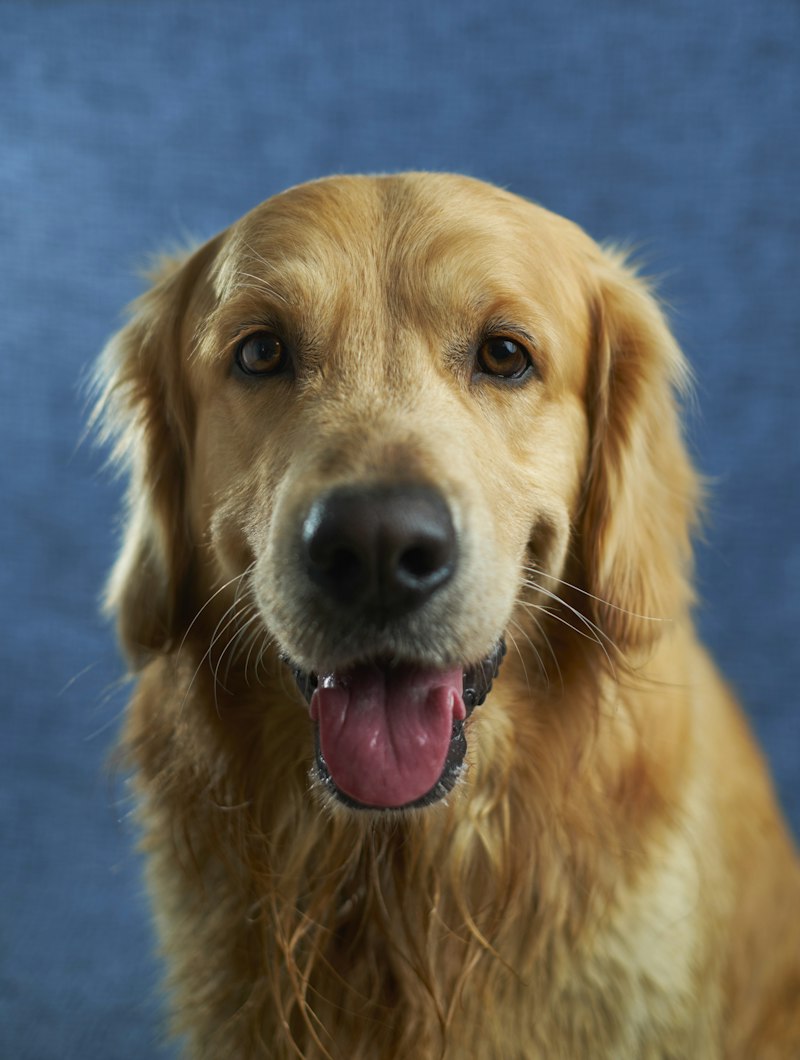
Schedule breaks for water, toileting and movement. Consider the temperature, your dog’s age and mobility, and whether your route includes pet-friendly rest stops.
Use an appropriate secured carrier or restraint suitable for your dog and vehicle. An unrestrained pet can distract the driver and may be injured during sudden braking.
Never leave a pet unattended in a parked vehicle. Interior temperatures can rise dangerously even when the weather feels mild or windows are cracked.
Bring familiar food, drinking water, bowls, medications, identification, a leash, waste bags, cleaning supplies and contact details for a veterinarian at your destination.
Keep identification current, introduce new places gradually and plan for the possibility of travel sickness. Speak with a veterinarian if your pet has health concerns.
Plan a realistic dog-friendly route
Choose stops where dogs are permitted, identify a veterinary clinic along long stretches, and check accommodation rules before booking. Allow extra time for walks and delays. Puppies, senior dogs and dogs with medical conditions may need a different schedule.
Practical tip: Keep the route and a backup stop available offline.
Use a suitable vehicle restraint
Travel with your dog secured in an appropriately sized, correctly installed carrier or restraint designed for vehicle use. Follow the product and vehicle manufacturer instructions; do not attach a restraint to a collar. Keep your dog away from active airbags.
Practical tip: Check the fit before the first long drive.
Plan safe breaks and hydration
Offer water regularly and schedule safe opportunities for toileting and movement based on your dog’s needs. Stop in designated areas away from traffic, attach the leash before opening doors and check pavement temperature in hot weather. Avoid a large meal immediately before driving if your dog is prone to nausea.
Practical tip: A practical break schedule is individual, not a universal fixed interval.
Manage heat, cold and car sickness
Never leave a dog unattended in a parked car: cabin temperatures can become dangerous rapidly. Maintain ventilation and a comfortable cabin temperature. If your dog drools excessively, vomits or becomes distressed in the car, discuss prevention and treatment with a veterinarian before departure. Never give human motion-sickness medication without veterinary advice.
Practical tip: Seek urgent veterinary help for signs of heatstroke.
Pack documents and essentials
Carry water, food, bowls, medication, waste bags, cleaning supplies, leash, identification and an up-to-date photo. Bring veterinary records and any travel documents required by your route, including transit and return requirements for cross-border trips.
Practical tip: Store a copy of key records offline.
Arrive and settle in safely
Before letting your dog out, inspect the surroundings for traffic, open gates, unsafe balconies and unfamiliar animals. Offer water and a quiet resting space. Confirm pet rules and emergency contact information with your accommodation.
Practical tip: Keep your dog supervised in unfamiliar spaces.
Before you go: quick checklist
- Carrier or restraint fitted and checked
- Water, food and cleaning supplies packed
- Medication and veterinary contacts accessible
- Identification and travel documents checked
- Stops and temperature plan prepared
- Pet-friendly accommodation confirmed
- Safe arrival space planned
- Backup plan for delays or emergencies
General travel guidance; verify local traffic, animal welfare and border requirements for your route. Updated: October 2026.